The ROI of Photo Booths: Capturing First-Party Data at Brand Activations
Photo booth data capture brand activation helps brands turn event interactions into measurable marketing results by collecting first-party data, generating leads, and extending brand reach beyond the venue. For marketing teams, the value comes from connecting guest engagement with trackable outcomes like opt-in rates, cost per lead, and post-event conversions.
Miami brands investing in conferences, product launches, retail experiences, and corporate activations need clear reporting that shows whether an activation created business value. A strategically designed photo booth can capture customer information while giving attendees personalized content they want to receive and share.
How Photo Booth Data Capture Brand Activation Turns Engagement Into First-Party Data
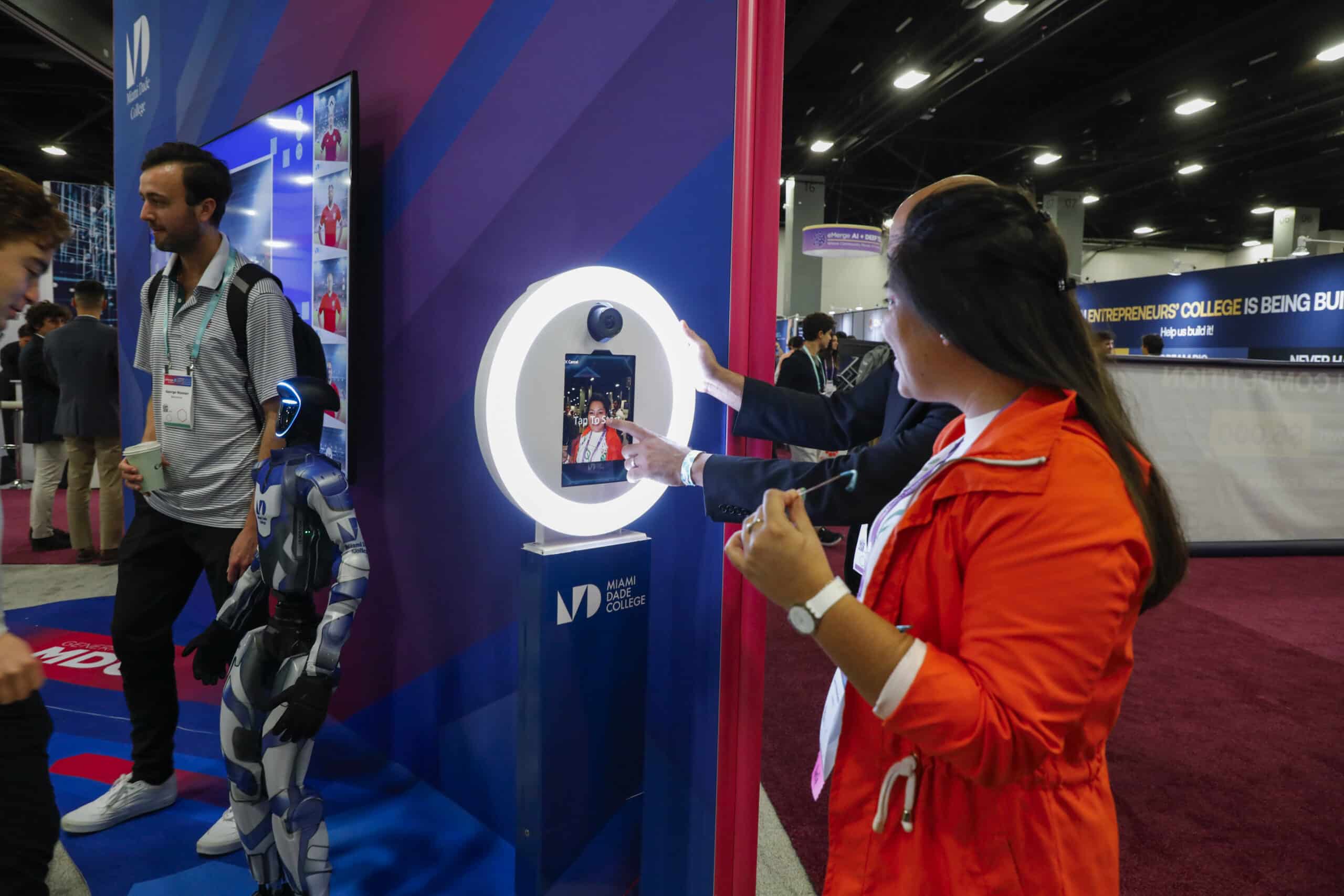
A photo booth data capture brand activation combines an interactive experience with a digital lead-generation process. Guests create branded photos, videos, GIFs, or AI-generated content, then provide information such as an email address or phone number to access their final media.
The value exchange is clear. Attendees receive a personalized experience, while brands collect permission-based information they can use for future marketing campaigns.
At Miami venues such as the Miami Beach Convention Center, Kaseya Center, Brickell event spaces, and hotels along South Beach, brands compete for attendee attention. Photo activations help create a reason for people to stop, participate, and continue interacting with the brand after the event.
The strongest activations are designed around a simple flow:
- Guest discovers the booth through signage, staff, or a live display
- Guest creates branded content through photos, videos, or AI effects
- Guest enters contact information to receive the content
- Guest chooses communication preferences
- Data is transferred into marketing systems for follow-up
The process should feel like part of the experience instead of a separate registration step. A fast capture process usually produces better completion rates because guests do not feel interrupted.
Why First-Party Data Makes Photo Booths Valuable for Marketing Teams
First-party data is information customers voluntarily provide directly to a brand. This can include email addresses, phone numbers, preferences, company details, and product interests.
For marketing directors, this information has measurable value because it comes from people who physically interacted with the brand.
Instead of relying only on general event attendance numbers, teams can understand who engaged and what actions they took.
A conference activation in Miami can reveal:
- How many attendees interacted with the brand
- How many contacts were added to the database
- Which products or experiences attracted the most interest
- Which content formats encouraged sharing
This information supports better follow-up campaigns after the event. A company can segment contacts based on interests collected at the booth and send more relevant communication.

What Information Can a Branded Photo Booth Collect?
The amount of information collected depends on the purpose of the campaign. A consumer brand launching a product in Wynwood may focus on quick email collection, while a B2B company at a conference may want more detailed lead information.
Most brands begin with basic contact details because fewer questions usually lead to higher completion rates. Email addresses are commonly collected because they allow brands to deliver content immediately and continue communication afterward.
Additional information can include:
- First name
- Phone number with SMS permission
- Company name
- Job title
- Product interest
- Event feedback
Photo booth platforms can also collect behavioral data during the interaction. This helps brands understand audience preferences without adding extra questions to the form.
Examples include which AI filter guests selected, which backdrop performed best, how many people shared their content, and which delivery method they preferred.
How Marketing Teams Calculate Photo Booth ROI
Photo booth ROI is measured by comparing the value created against the cost of the activation. The two biggest areas of return are lead generation and brand exposure.
For lead-focused events, marketers usually calculate:
Leads captured × conversion rate × average customer value ÷ activation cost
A Miami technology company attending a trade show could spend $3,000 on a branded photo activation. If the booth collects 250 leads, the company converts 4% of those leads, and the average customer value is $1,500, the potential revenue influenced is:
250 leads × 4% conversion × $1,500 customer value = $15,000
$15,000 ÷ $3,000 activation cost = 5× potential return
Marketing teams can also measure awareness value through social sharing. Branded photos and videos create additional impressions when attendees post their content online.
Important metrics include:
- Total booth interactions
- Email and SMS opt-in rate
- Cost per lead
- Social shares
- Branded impressions
- CRM conversions
- Revenue influenced
What Results Can Brands Expect From Photo Booth Lead Capture?
Results depend on event traffic, booth placement, audience interest, and the quality of the experience. A custom activation with strong branding and an easy data exchange generally performs better than a standard photo setup.
Many well-executed campaigns see email capture rates between 50% and 70% of engaged booth users. Share rates can increase when guests receive personalized content, such as AI-generated portraits, branded videos, or custom digital artwork.
AI photo booths are becoming popular for Miami activations because they create unique content that people are more likely to share.
A beauty brand hosting an experience in the Design District, for example, could transform guest photos into editorial-style images that match its campaign theme.
The result is additional brand exposure without paying separately for every impression.

How Custom Survey Questions Improve Lead Quality
Email collection provides contact information, but short survey questions help marketing teams understand customer intent.
A photo booth can include a quick question before content delivery, such as:
- “Which product category interests you most?”
- “Would you like information about future launches?”
- “What type of content would you like to receive?”
For B2B activations, brands can ask about company needs, purchasing involvement, or business challenges.
The goal is not to create a long questionnaire. Additional fields should help sales and marketing teams make better decisions after the event.
Connecting Photo Booth Data With CRM and Marketing Platforms
Collected data creates value when it moves into the systems a marketing team already uses. Many professional photo booth platforms can connect with tools such as HubSpot, Salesforce, Mailchimp, and Klaviyo.
After a Miami activation, a brand can automatically send a follow-up email containing the guest’s photo, tag contacts based on interests, and create targeted campaigns.
A guest who selected interest in a specific product category should not receive the same message as someone who only downloaded a photo. Segmentation helps brands create more relevant communication.
Mistakes That Reduce Photo Booth ROI
Some brands collect hundreds of contacts but fail to generate value because the activation strategy stops after the event.
Common problems include:
- Asking for too much information before content delivery: Lengthy forms can discourage participation. Keep data collection simple so guests receive their photos quickly and are more likely to engage.
- Collecting leads without a follow up campaign: Capturing contact details has little value without a plan. Follow up with personalised emails or offers to turn event interactions into lasting business opportunities.
- Using generic branding instead of campaign specific designs: Generic templates miss the chance to reinforce your message. Customise photo overlays, backdrops, and digital assets to match your campaign and maximise brand recognition.
- Placing the booth away from attendee traffic: A poorly positioned booth attracts fewer guests. Place it in a high visibility area where attendees naturally gather to increase participation.
- Choosing a provider without reporting capabilities: Without analytics, it’s difficult to measure event success. Work with a provider that offers insights into participation, photo shares, lead generation, and campaign performance.
The booth experience, data collection process, and marketing follow-up should work together from the beginning.
Choosing the Right Photo Booth Format for Your Campaign
Different photo booth styles support different marketing goals.
AI photo booths are effective for brands focused on social sharing and audience engagement. They work well for fashion, beauty, entertainment, and lifestyle campaigns.
360 video booths create high-energy content for events where visibility and participation are priorities. They are commonly used for sports activations, entertainment launches, and large public events.
Headshot stations work well at professional conferences because attendees receive practical value while brands collect qualified business contacts.
Traditional branded digital booths remain effective for companies focused on lead collection, email growth, and measurable event engagement.

Frequently Asked Questions
How does a photo booth collect leads at an event?
A digital photo booth collects leads by asking guests for information before delivering their content. Most brands collect an email address or phone number, then send the photo through a digital link. The data can be exported or connected directly to marketing systems.
What is a good photo booth opt-in rate?
A good photo booth opt-in rate depends on the audience, event type, and value offered. Well-designed activations often achieve 50% to 70% capture rates when guests receive personalized content, the sign-up process is quick, and the form only collects relevant information.
Are photo booth leads useful for sales teams?
Yes, photo booth leads can support sales teams because attendees actively choose to engage with the brand. When combined with interest data, company details, and proper follow-up campaigns, these contacts provide valuable insights and help identify warmer prospects after an event.
Can photo booths collect GDPR and CCPA-friendly data?
Yes, photo booths can collect compliant data when brands use clear consent language, explain how information will be used, avoid pre-selected marketing permissions, and provide options for managing personal information. A secure data process helps protect both the brand and attendees.
How do brands measure photo booth success?
Brands measure photo booth success by tracking engagement and business outcomes. Common metrics include total booth interactions, lead volume, opt-in rates, cost per lead, social shares, impressions, conversion rates, and revenue influenced by contacts collected during the activation.
Are AI photo booths better for brand activations?
AI photo booths can deliver strong results for brand activations because they create personalized content that guests are more likely to share. They work well for campaigns focused on social reach, audience engagement, and generating memorable digital assets connected to the brand.
Turn Event Engagement Into Measurable Leads
Photo booth data capture brand activation helps brands turn event engagement into measurable leads, customer insights, and stronger audience connections. By combining interactive experiences with first-party data collection, businesses can understand their guests and create better follow-up campaigns.
At Dipp Photo Booth, we create customized photo experiences based on your goals, audience, venue, and brand identity. Our team combines creative concepts, advanced technology, and reliable data solutions to deliver activations designed for real marketing results.
Choose us to turn every guest interaction into a branded experience that drives engagement and delivers lasting results.